News
Here you will find news about current publications and projects from our laboratory.
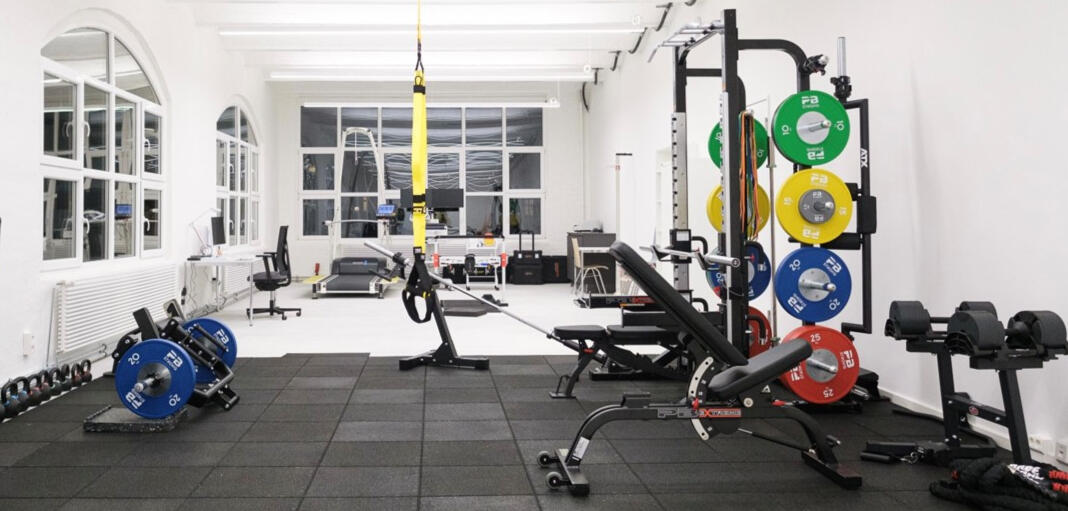
Our studies and methodological approaches are implemented in the “G-Lab - Exercise Physiology and Injury Prevention” or within field analyses in sports practice. ‘G’ represents “gravity”, a stressor and external load factor to which many influencing factors that we deal with can be related in the field of exercise physiology and injury prevention - Evidence-informed and context-aware.

2026
This second revised edition of the guide and framework „Hamstring Strengthening for Soccer Athletes: Exercise Prescription and Programming“—grounded in evidence-informed and context-sensitive decision-making—provides an updated overview of the current scientific and practical understanding of exercise-based, multi-component strategies to reduce hamstring injury risk in professional soccer. Particular emphasis is placed on exercise selection, prescription, and programming.The practical section adopts a holistic perspective, recognizing the synergistic interaction between different muscle groups. Accordingly, the guide also describes how exercises focusing on trunk stabilization, lumbo-pelvic control, and strengthening of the hip extensor muscles can contribute to lowering the risk of hamstring injuries.Considering the highly dynamic and complex nature of hamstring injury mechanisms, as well as the specific physical demands of soccer, the framework further outlines how movement tasks such as acceleration, maximal sprinting, and changes of direction—including deceleration—can serve as important general and sport-specific stimuli for mitigating hamstring injury risk.This is a pilot project in self-publishing with KDP. Not as easy as I thought. The guide has been revised and is now available online in its second edition. I earn approximately 4 Euros per copy sold, while the remaining amount goes to Amazon and printing costs. For the first 250 copies sold, I will donate the total of 1.000 Euros to a charitable organization supporting children and youth.

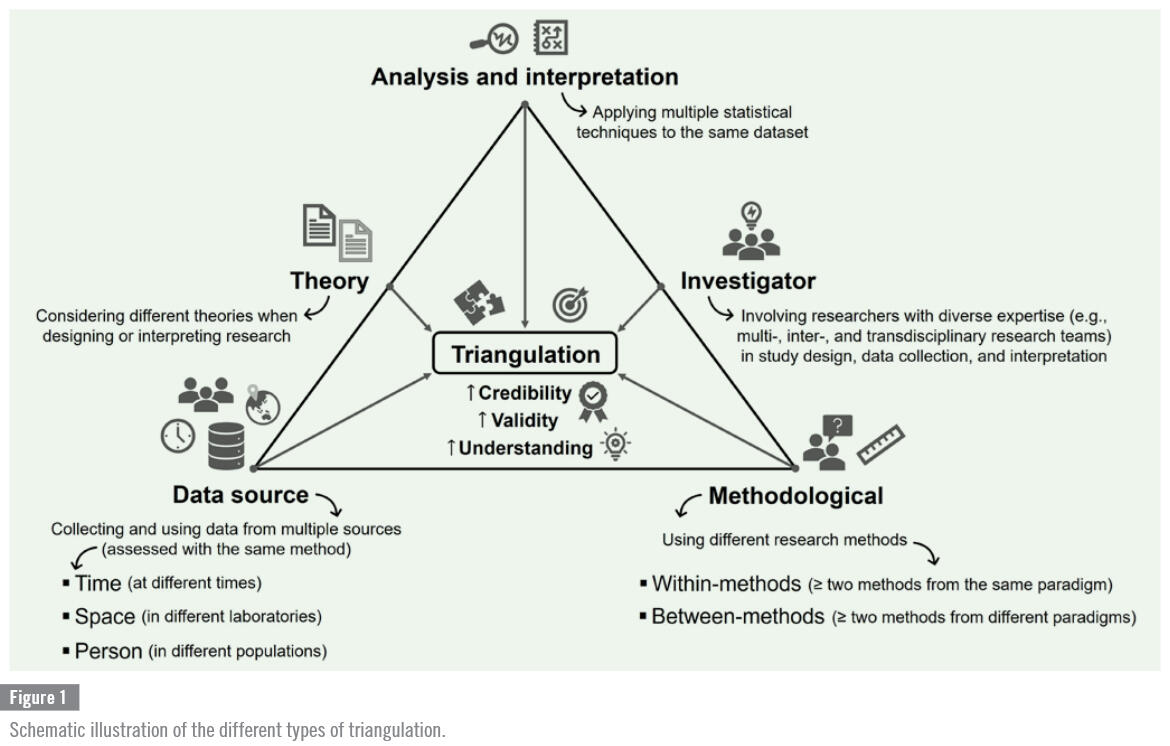
In our new editorial, we argue that relying on a single method or perspective is insufficient to fully understand complex phenomena in sports science and sports medicine. Instead, we advocate for triangulation—the combined use of multiple methods, data sources, or theoretical approaches—to strengthen the validity and robustness of research findings.By integrating different perspectives, we can reduce bias, improve interpretation, and gain a more comprehensive understanding of performance, health, and training processes.Overall, we call for a broader and more interdisciplinary approach, emphasizing that combining evidence is more powerful and reliable than relying on a single line of inquiry.

This study examined different methods for determining the boundary between the heavy and severe exercise intensity domains in recreational triathletes and cyclists. The main aim was to compare commonly used physiological markers with the calculated maximal lactate steady-state (cMLSS) as a reference standard.The findings indicate that traditional markers (such as lactate- or ventilatory-based thresholds) show considerable variability when identifying this boundary and do not always align well with the cMLSS. This suggests that commonly applied approaches may lead to inconsistent intensity classification in recreational athletes.Overall, the study highlights that accurately defining the transition from heavy to severe intensity remains challenging and method-dependent. The findings show the importance of careful method selection when prescribing and monitoring training intensity, particularly in non-elite endurance athletes.

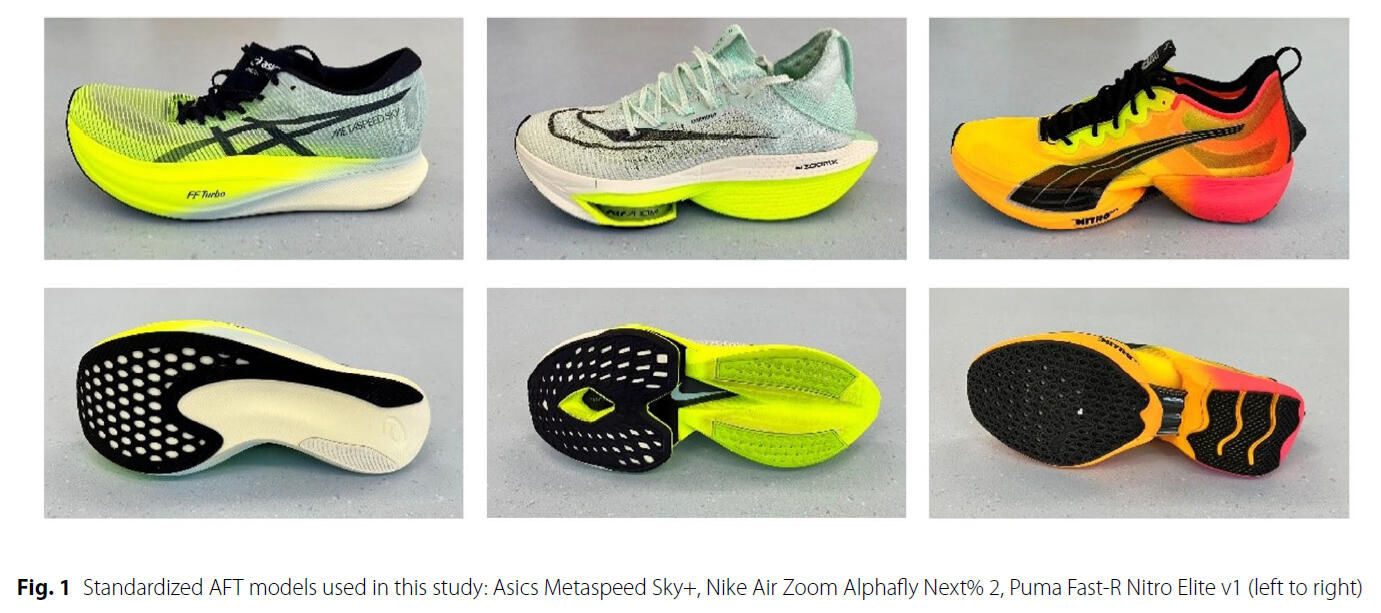
In our new study we investigated how biomechanical factors influence differences in running economy when athletes use various advanced footwear technologies (AFT). In a controlled crossover experiment, trained long-distance runners tested three high-performance shoe models while their energy expenditure and movement patterns were analyzed.The results showed that shorter ground contact time was consistently associated with improved running economy, meaning runners used less energy at the same speed. However, no single shoe model proved superior overall, highlighting that performance benefits depend on the interaction between an individual runner’s biomechanics and the specific footwear.Overall, the findings suggest that optimizing running performance requires personalized shoe selection rather than relying on one universally “best” model.

Indirect and non-contact muscle injuries, often referred to as muscle strains, occur in specific sporting scenarios (injury situations). Multiple dimensions of situational characteristics, including contact mechanisms, joint positions or neuromuscular force production, have been investigated to understand causation of muscle injuries. Despite the implementation of preventive measures, clinicians continue to face challenges in reducing the incidence of muscle injuries in sports.In our recent systematic review and meta-analysis published in the British Journal of Sports Medicine muscle injury patterns were characterised from 728 video-detected muscle injuries in sports. Qualitative and quantitative situational characteristics (e.g., injury contact mechanism, joint positions at injury time) of hamstring, adductor, quadriceps and calf muscle injuries are described in detail. While general principles of muscle injury causation are applicable (e.g., high muscle activation while being at length during the assumed time of injury), certain injury patterns are more specific to particular injury locations and sports. Knowledge of the situational characteristics underlying muscle strains assists clinicians in accurate diagnosis and treatment decision-making. Future preventive approaches for muscle strains should be guided by a distinct understanding of injury causation. The full text can be requested via Research Gate.

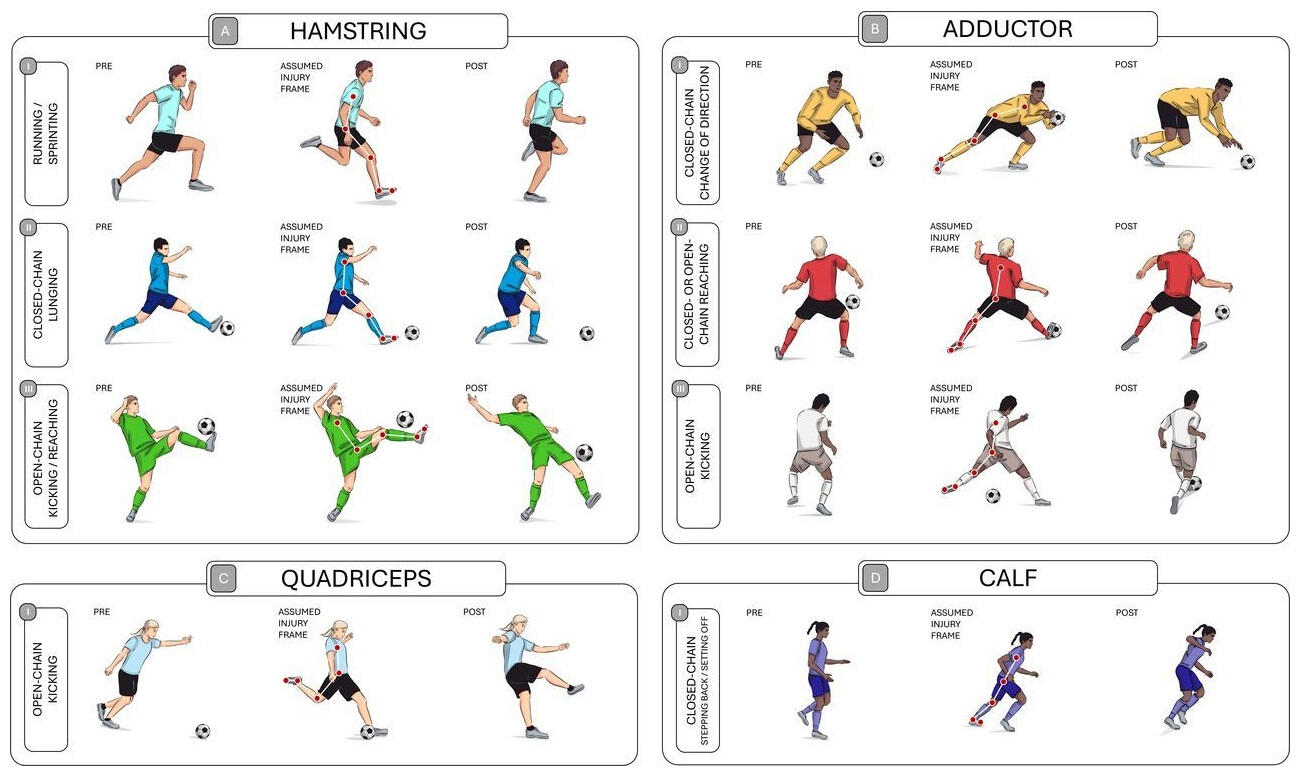
Illustrations of situational patterns for indirect and non-contact muscle injuries (muscle strains). Please note that only a selection of the most common injury patterns based on included studies is illustrated (acknowledge the predominance of studies investigating male football players).A-I. Hamstring (running/sprinting): Hamstring injuries are frequently seen during high-speed running or acceleration phases. Modelling studies and case reports identified the open-chain late swing phase as being most vulnerable to injury. During this phase of the gait cycle, the muscle-tendon unit of the biceps femoris lengthens. However, confirmation of this finding appraising systematic real-world video data is yet to be done, and the specific running phase in which athletes are most vulnerable to hamstring injury remains a matter of debate.A-II. Hamstring (closed kinetic chain lunging injury pattern): The athlete performs a decelerating closed kinetic chain maneuver. At the assumed time of injury, the knee joint is close to full extension, the hip joint is in a flexed position (that is, lunging position). In the illustrated example, the trunk position is neutral (in reference to the earth horizontal) but varying trunk positions have been reported to be present at the assumed time of injury.A-III. Hamstring (open-chain kicking or reaching injury pattern): Open-chain injury patterns are typically observed during kicking or reaching maneuvers. Injury kinematics comprise a flexed hip joint combined with an extending knee joint movement. These injuries have been traditionally considered as overstretching injuries with the muscle-tendon unit being lengthened past its limit.B-I. Adductor (closed-chain change of direction injury pattern): Changes of directions are common situational patterns for adductor muscle injuries. The athlete performs a change of direction to catch a ball opposite to the moving direction. At the assumed time of injury, the injured leg is abducted and externally rotated while the adductor muscles are simultaneously activated to perform the deceleration and change of direction manoeuvre.B-II. Adductor (closed- or open-chain reaching injury pattern): The athlete performs a reaching manoeuvre with the non-injured leg towards the ball. At the assumed time of injury, the adductor muscle-tendon unit of the injury leg is lengthening due to hip extension, hip abduction and hip external rotation.B-III. Adductor (open-chain kicking injury pattern): This injury pattern shows similar injury kinematics (including hip abduction and external rotation) but is an open-chain injury pattern due to the player’s intention of kicking a ball with the injury-sided leg.C-I. Quadriceps (open-chain kicking injury pattern): A common observed injury kinematic of quadriceps injuries comprise a flexing hip joint and extending knee joint movement (that is, kicking manoeuvre).D-I. Calf (closed-chain stepping back injury pattern): In the illustrated example, the athlete is setting of to take a run (e.g., by performing a back-step manoeuvre). These manoeuvres are not only seen in running or football but are common in racquet sports (leading gastrocnemius muscle injury to be named “tennis leg”) or basketball. The underlying joint movements are ankle dorsiflexion and knee extension, thereby lengthening the calf muscle tendon unit. At the assumed time of injury, the knee is close to full extension, the ankle in more than 10° dorsiflexion, and the foot in external rotation.
In our new perspective article we we interpreted the current evidence in the view that acute and chronic physical activity (PA) can improve cognitive performance, and that PA type may moderate this effect. However, a closer look at the literature shows that specific PA types (e.g., football) encompass events (e.g., sport-related concussion [SRC] and repetitive “subconcussive” head impacts [RSHIs]) that might attenuate such benefits. Given that SRC and RSHIs are highly prevalent but not explicitly considered in contemporary PA-type classification approaches, we propose that accounting for them in future scientific practice and theory development will add a fruitful and nuanced understanding of dose–response relationships between PA and cognition and serve as a key prerequisite to achieving a better individualization of PA prescription.

2025
In this study lead by Dr. Lars Schwalm and published in the prestigious journal MSSE we observed running economy (RE) benefits of advanced footwear technologies (AFTs). The state of research exposed RE improvements in AFTs during short running bouts, whereas performance-enhancing effects may be greater over longer distances. Therefore, the aim was to compare RE and biomechanics during a 90-min run between AFTs and traditional shoes in highly trained distance runners. There were no differences between shoe conditions in deterioration of RE during the 90-min run, but AFTs maintained their beneficial properties in RE over time and therefore are probably a good choice for long distances. The full text can be requested via Research Gate.

In this reply to the comment of François-Denis Desgorces to our recent publication „Beyond FITT: addressing density in understanding the dose–response relationships of physical activity with health—an example based on brain health“ in the European Journal of Applied Physiology we took the opportunity to explain some of the discussed aspects in more detail. In his commentary, Desgorces supports our view that density is an important variable for analyzing and prescribing the dose and dosage of physical activity (PA) in the consideration of their effects on brain health. However, he also acknowledges that quantifying PA density is challenging, which is underlined by different perspectives on its definition, operationalization, and interpretation. In this context, we are pleased to have the opportunity for further clarification and for a constructive discussion by providing our perspective on the points raised by Desgorces in this reply. While we acknowledge the points raised in Desgorces’ commentary, our response provides additional support for our understanding of PA density as conveyed in our initial review.

The monitoring of post exercise linear and nonlinear HRV metrics as a tool for fine-tuning monitoring processes and HRV-guided training remain relatively underexplored. However, it holds significant potential for endurance athletes who undertake high volumes, varied exercise intensities, and/or multiple training sessions per day. This approach can complement resting physiological analyses providing a more comprehensive understanding of recovery and autonomic nervous system regulation.Our new study adds to the state of research of exercise recovery and shows that exercise in the vigorous intensity domain transiently delays parasympathetic reactivation. A greater homeostatic perturbation induced by the higher exercise intensity results in delayed reorganization and decreased values of linear HRV metrics during passive recovery. The results also confirmed the assumption that DFAa1 displayed a stronger correlated reorganization and overcompensation after the more intense exercise bout. Higher correlation properties may indicate more order and interaction of the involved control processes managing recovery.This suggests a stronger systemic control to process the demands of higher exercise intensities within a homeodynamic understanding of the organismic regulation. Assessing standardized post exercise linear and nonlinear HRV metrics as a monitoring tool could be a valuable addition for endurance athletes, aiding in the evaluation of regular training sessions, and complementing resting analysis. Further research is needed to verify its potential in guiding the structuring of microcycle and daily programming tailored to individual cardiac reactivation kinetics.

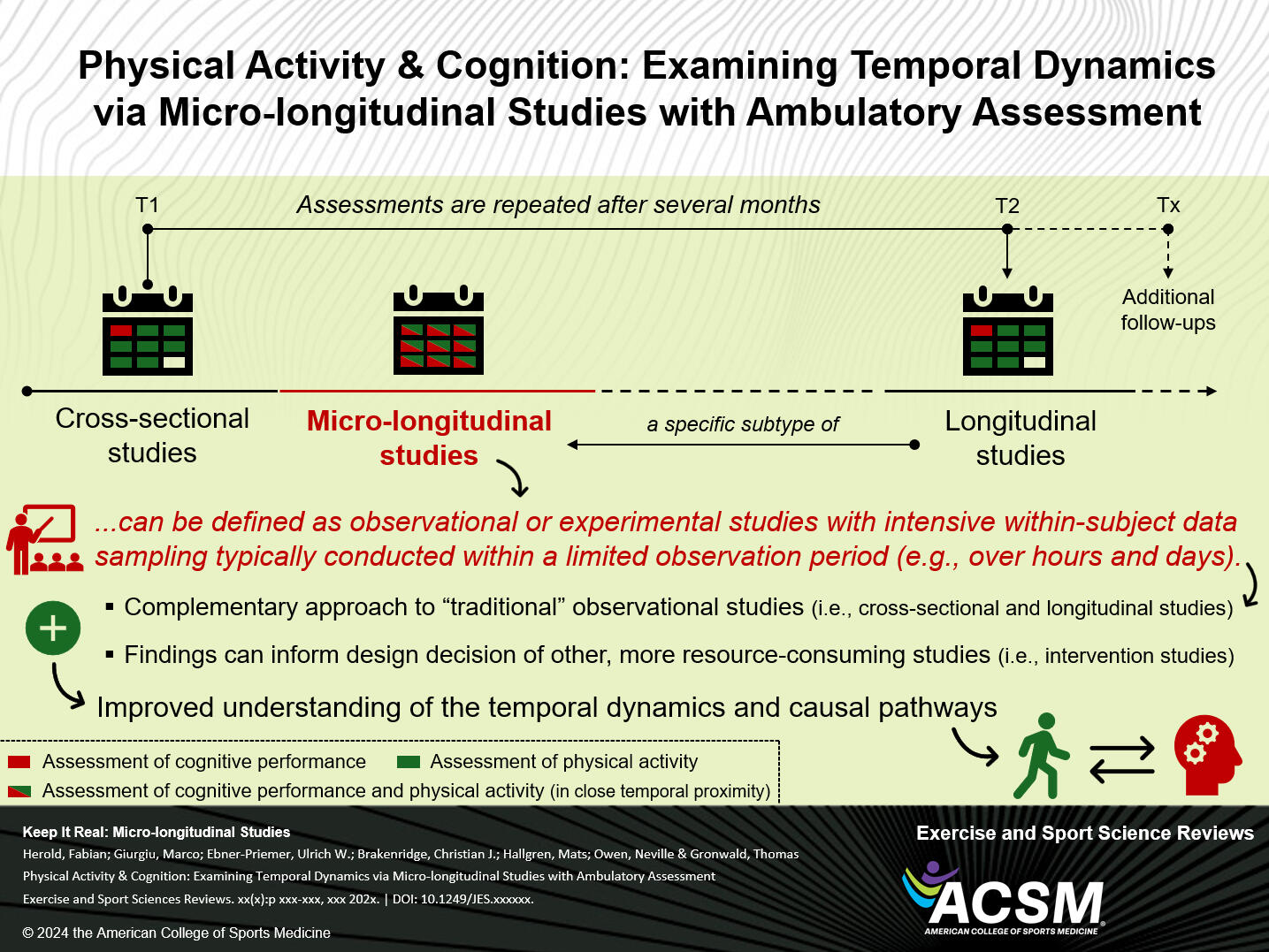
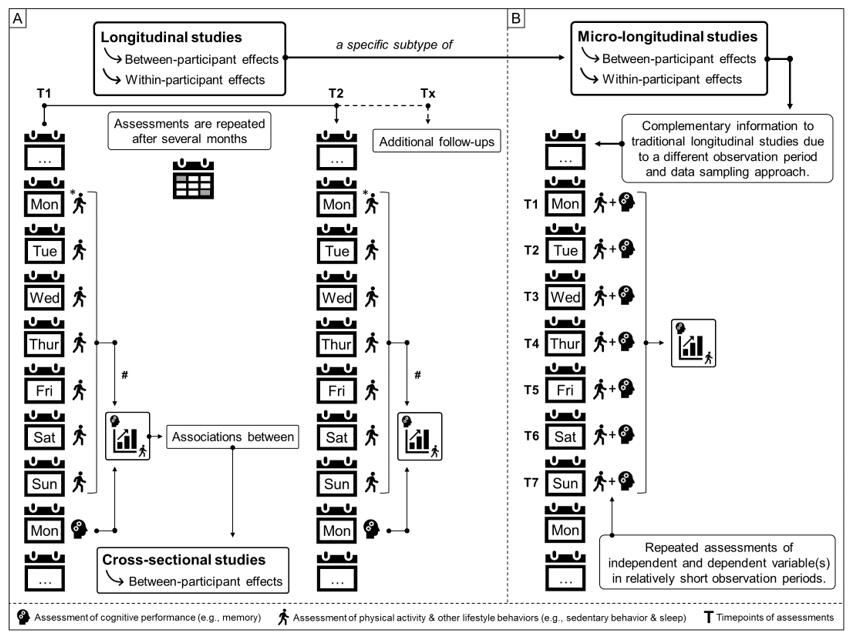
In our new „Perspectives for Progress“ article in „Exercise & Sports Science Reviews“ we highlight in particular the advantages of examining temporal dynamics with ambulatory data assessments via micro-longitudinal studies - using the example of the emerging field of physical activity and cognition.This study approach characterizes frequent within-subject real-life-embedded assessment methods of exposure(s) and outcome(s) in relatively short periods. In addition to the utility to address outstanding research questions, micro-longitudinal studies with ambulatory assessments are also well-situated to complement the evidence obtained from traditional study approaches by strengthening the capacity for causal inferences via a methodological and/or data triangulation, and better informing more resource-intensive, causality-confirming study approaches.In our specific research, we are particularly interested in contextual information necessary to interpret, e.g., psycho-physiological wearable monitoring data (with potential large day-to-day variation and multiple confounding factors), which can be implemented very well within this methodological study approach.Compared to highly controlled intervention studies (e.g., randomized controlled trials), observational studies (e.g., longitudinal studies) provide the key advantages that they are typically (1) less resource-consuming and expensive, (2) have less restrictive exclusion criteria, which strengthens the representability and generalizability with high ecological validity, and (3) less prone to expectancy bias as no intervention is offered. The full text can be requested via Research Gate.

In this complex study lead by Dr. Marcelle Schaffarczyk and published in the prestigious journal MSSE we monitor menstrual cycle (MC) and oral contraceptives (OC) phases. Data showed stable motor performance and limited physiological but notable psychological effects. Early follicular (EFP, MC) and early inactive pill (EIPP, OC) were associated with higher perceived exertion in the submaximal cycling test as well as higher perceived stress and lower state of recovery. Metrics of heart rate time series during exercise do not appear to be influenced by the phases of MC and OC which could be seen as valuable outcome for pre-defined internal load prescription in endurance-related activities. Integrating psychological well-being measures could enhance hormonal monitoring and inform training adjustments, such as modifying load, recovery strategies, or psychological interventions. Given the complex interplay of biological and procedural-analytical factors, as well as the individual variability in response to hormonal changes, a personalized monitoring approach is essential to tailor training and recovery strategies effectively, ultimately supporting both long-term performance and overall well-being. Mobile applications could further support this approach by facilitating continuous tracking and increasing awareness and sensitivity to this critical aspect of athletic training and overall health status. The full text can be requested via Research Gate.

In our new study we evaluated autonomic responses of strength training depending on body position. Squat movement in a Smith machine led to increased vagal withdrawal both at rest and after exercise compared to seated leg press, probably due to orthostatic stress. While exercising, the differences in autonomic regulation are less noticeable.

Both in training and rehabilitation, the intensity of endurance exercise can be controlled and monitored via dose and response. This allows optimal results to be achieved on the one hand, and on the other hand, unnecessary overload and health risks can be avoided. In our overview article, we transfer the proposed concepts to practical application for intensity control and monitoring in endurance exercise and training. The full text is published in German language and can be requested via Research Gate.

In this study we could show, that in rowing, the second heart rate variability threshold based on DFAa1 showed high reliability and strong agreement with the second lactate threshold, highlighting its validity as a noninvasive surrogate. The first heart rate variability threshold displayed lower precision and greater variability, reducing its suitability for detailed training monitoring. Overall, the second threshold can be considered a practical and reliable noninvasive method for physiological threshold determination in rowing, allowing regular monitoring without blood sampling.

Much has already been said about the application of heart rate variability for monitoring approaches, ... but it can't do any harm to repeat certain important things in a different context; here in an interview for Medscape together with Prof. Cailbhe Doherty.The original interview was much longer; so I put it below the image and link.

What is heart rate variability? And is it possible for smartwatches/wearables to accurately measure it?Heart rate (HR) variability (HRV) describes the temporal variation of the heart period or beat-to-beat variability of the HR over a defined measurement period and reflects the dynamic end-organ response of the heart to physiologic and/or pathologic perturbations. This time series of successive time intervals (called as R-R intervals measured in milliseconds; based on the detection of the R-wave in the PQRST complex) is called „tachogram“ from which various metrics with different durations (e.g., from ultra-short-term (1 min), short-term (5min) up to long-term (~24 h) and analysis domains are derived (time-, frequency-, and non-linear domains).In resting conditions it is possible to accurately measure the raw signal of HRV depending on many factors. The gold-standard for a valid and reliable assessment of the time between two successive heartbeats is the electrocardiogram (ECG), which allows recordings in the laboratory or during daily activity (up to 24 hours or longer). In addition, several mobile and user-friendly measurement systems and wearables exist, which can record R-R intervals with different applications and form factors (chest strap systems, adhesive patches and electrode systems on the skin) that also utilize electrophysiological, but also optically derived signals such as photoplethysmography (PPG). The PPG signal can be used to detect HR and HRV also through various form factors such as (wrist) bands, ear or finger clips, rings or even swimming goggles - but more specifically, the signal provides pulse rate (PR) and pulse rate variability (PRV). Most commercially available portable devices show a low absolute error under resting conditions, but should always be validated against reference measures to clarify the accuracy of data parameters and maximize real word application value. It is essential to evaluate the validity depending on the setting, measurement duration, paradigm and cohort that is investigated, because modulators such as the analyzed metric (e.g., root mean square of successive differences of NN intervals, RMSSD), body position, or individual characteristics of the population can cause deviations in HRV measurements from different devices. Therefore, further recommendation is not to compare absolute values between different devices.Is heart rate variability an important measure of someone's health? Is it an important measure for an athlete?HRV and especially relative trends associated with contexual factors can be an important measure for lifestyle and healthcare. Higher values (trends) of vagally driven time- and frequency-domain metrics under resting conditions are generally associated with more functionally efficient cardiac autonomic control, whereas HRV declines and becomes more regular with age or disease, revealing a loss of variability and complexity. Lifestyle factors (e.g., physical activity, smoking behavior, alcohol consumption, body composition) are associated with adaptations of cardiac vagal function in this context, so a healthy lifestyle can be considered preventive for reducing age-related decline of positive autonomic regulatory dynamics. The usefulness of HRV as an indicator of physiological and pathological conditions, for risk stratification, and as a marker of autonomic adaptive and regulatory capacity is evident. However, longitudinal data recordings are recommended when trend analysis with contextual data is intended.Considering the mentioned context-sensitive requirements, HRV analysis allows for longitudinal trend analysis of patients and healthy individuals including athletic and non-athletic populations in various clinical and performance-related settings. This includes the application of HRV monitoring for resting conditions, during and/or after biofeedback and training interventions, as well as general relationships between recovery status, previous exercise conditions, and symptoms of overreaching and overtraining.What should a doctor do if someone goes to them saying their smartwatch is showing that they continuously have a low HRV status? Do you think such data is reliable?This depends strongly on the wearable or recording device. The measurement principles and the type of analysis and processing of the biosignal vary significantly between different devices. On the one hand, sleep analyses are used during the night, while on the other hand, context-free time points during the day are often used. Here, care should be taken to include standardized situations for a measurement and interpretation context. It is recommended to use validated measurement systems that either use the entire night as a reference phase or a consistent measurement situation early in the morning after waking up without prior stressors. Both approaches have advantages and disadvantages. Personally, I cannot use a standardized situation early in the morning because I have two small children, so I have switched to nighttime measurements using a measurement ring; however, these values are highly dependent on late stressors and late influending factors (e.g., late meals or a late training session).In addition, singular, absolute values of HRV (e.g., for RMSSD) provide only limited information; this also applies to the comparison with reference values, which is primarily recommended for specific and homogeneous populations (e.g., diseases, age groups). Comparing a regular intra-individual baseline may help to interpret daily variations in HRV and a rolling average of mean values is favourable for monitoring processes (e.g., 7-day moving average of at least 3 to 5 measurements a week), also in relation to a normal range reference for trend analysis of HRV variations. Further information like resting HR, psychometrical scales and other contextual information may overcome the lack of specificity in the interpretation of HRV values.How can someone improve their HRV?HRV improves when the body is balanced between activity and recovery within homeodynamic boundaries, with strong support from sleep, stress reduction, and a healthy active lifestyle. Regular physical activity, especially moderate aerobic exercise (like walking, cycling, or swimming) and strength training can increase HRV over time. Avoid residual fatigue and overtraining, as excessive exercise may reduce HRV. Breathing exercises with slow, deep, and diaphragmatic breathing (for example, 4–6 breaths per minute) can help to activate the parasympathetic nervous system which improves HRV. Good sleep quality with consistent sleep patterns, enough deep sleep, and avoiding late-night screen time and action are essential for higher HRV. Further, stress management and practices such as meditation, social connection, mindfulness, or progressive muscle relaxation are linked to emotional well-being and can reduce stress and therefore improve HRV. Finally, healthy nutrition habity such as a balanced diet rich in whole foods, omega-3 fatty acids, fruits, and vegetables supports HRV – including the limitation of stimulants, alcohol, nicotine, and processed foods.How important do you think wearable technology is to support the provision of healthcare across Europe? What role do you think it will play in the future?Wearable technology is becoming increasingly important in supporting healthcare across Europe. Devices such as smartwatches, fitness trackers, and medical-grade wearables can provide continuous monitoring of vital signs, heart rhythms (including the detection and analysis of HRV), and physical activity, which helps detect health issues earlier and enables more personalized care. They also empower patients to take a more active role in managing their own health, while giving healthcare providers access to real-time data that can potentially improve decision-making and reduce hospital visits. In the future, wearable technology will likely play a central role in preventive healthcare and chronic disease management, integrating with electronic health records and AI-driven analytics to provide more precise, data-informed treatments. It could also reduce pressure on healthcare systems by shifting some care from hospitals to home environments (also to rural areas without adequate healthcare infrastructure), supporting remote monitoring and telemedicine. Overall, wearables will move from being optional wellness tools to becoming essential components of healthcare delivery across Europe.
Read our latest review paper on the topic of “density” as an extension of the F.I.T.T. principle for the prescription of physical activity, exercise and training.

We have also written a brief commentary on a recent review and meta-analysis on this topic.

In a retrospective analysis of training data during the last 20 years in professional biathlon, we were able to identify clear patterns for different age groups. A great data set, unfortunately without free full-text access here (please send inquiries via Research Gate).

Exercise physiology and injury prevention team from our "Institute of Interdisciplinary Exercise Science and Sports Medicine (IIES, MSH Medical School Hamburg)" at Sports, Medicine and Health Summit in Hamburg (from left: Dr. Marcelle Schaffarczyk, Dr. Lars Schwalm, Prof. Dr. Dr. Karsten Hollander, and Dominik Fohrmann).

In this comment to a recent validation study about correlation properties of heart rate time series and detrended fluctuation analysis during exercise we contextualized this approach within its theoretical and methodological background.

In this current analysis, we wanted to discuss the potential of non-linear heart rate variability analysis for use in estimating “durability” in a group of trained long-distance runners. We also wanted to examine how accurately respiratory rate can be estimated using ECG and heart rate time series data for intensity prescription via wearable applications.

Prescription of intensity and volume, and the targeted use of training zones play a central role in modern swimming in order to develop performance and avoid performance stagnation or residual fatigue processes. This article for the journal "Leistungssport" in German language presents current approaches that offer practical strategies. These are applicable to both recreational and high-performance sports. Unfortunately, full text access is not available here (please inquire via Research Gate).

Findings from this study highlight the effectiveness of lower body positive pressure treadmills for reducing musculoskeletal loading while revealing associated gait changes. Athletes, therapists, and coaches should consider individual biomechanical responses to optimize rehabilitation and performance strategies.

Apart from objectivity and validity, reliability is considered a precondition for testing within scientific works, as unreliable testing protocols limit conclusions, especially for practical application. Within this article, after revealing several caveats in the literature (e.g., neglecting of the systematic and random error or not distinguishing between protocol and device reliability), we suggest a methodological approach to provide reliable data collections as a precondition for valid conclusions by, e.g., recommending pre-set acceptable measurement errors.

2024
In this study we aimed to compare running economy across habituated and nonhabituated advanced footwear technology (AFT) in trained long-distance runners. Unfortunately, the full text is not available free of charge, but can be requested via Research Gate.

We have also written a brief commentary about this topic within a call for letters to a recent viewpoint on technological advances in elite sport.

The study explores the validity of the nonlinear index alpha 1 of detrended fluctuation analysis (DFAa1) of heart rate (HR) variability for exercise prescription in prolonged constant load running bouts of different intensities.

In a few comments to a recent perspective article we discussed the dilemma of standardizing exercise physiology thresholds and proposed a balanced approach to standardization, practicality and innovation in exercise physiology threshold assessment. Unfortunately, both full texts are not available free of charge, but can be requested via Research Gate.


In this viewpoint article we propose that traditional concepts of exercise prescription and dosage determination using the variables frequency, intensity, time (also referred to as duration) and type of physical exercise (ie, abbreviated with the acronym FITT) should be complemented by the variable density which characterises the timing of consecutive bouts of acute physical exercise during an esports session.

In these reviews, we summarized the status of heart rate variability monitoring applications using trend analyses. In that regard, we summarized the potential added value of postural change testing (orthostasis) in the fields of exercise and health science in 2024.


Referring to injury pattern analyses based on video data, we noticed that there are no standards for the methodological design of such studies or for evaluating the study quality for e.g., review articles. We therefore decided to develop the QA-SIVAS scale in 2024 with precisely this aim in mind. The rating scale is already in regular use for evaluating studies and for the methodological design of video analyses in the sporting context.

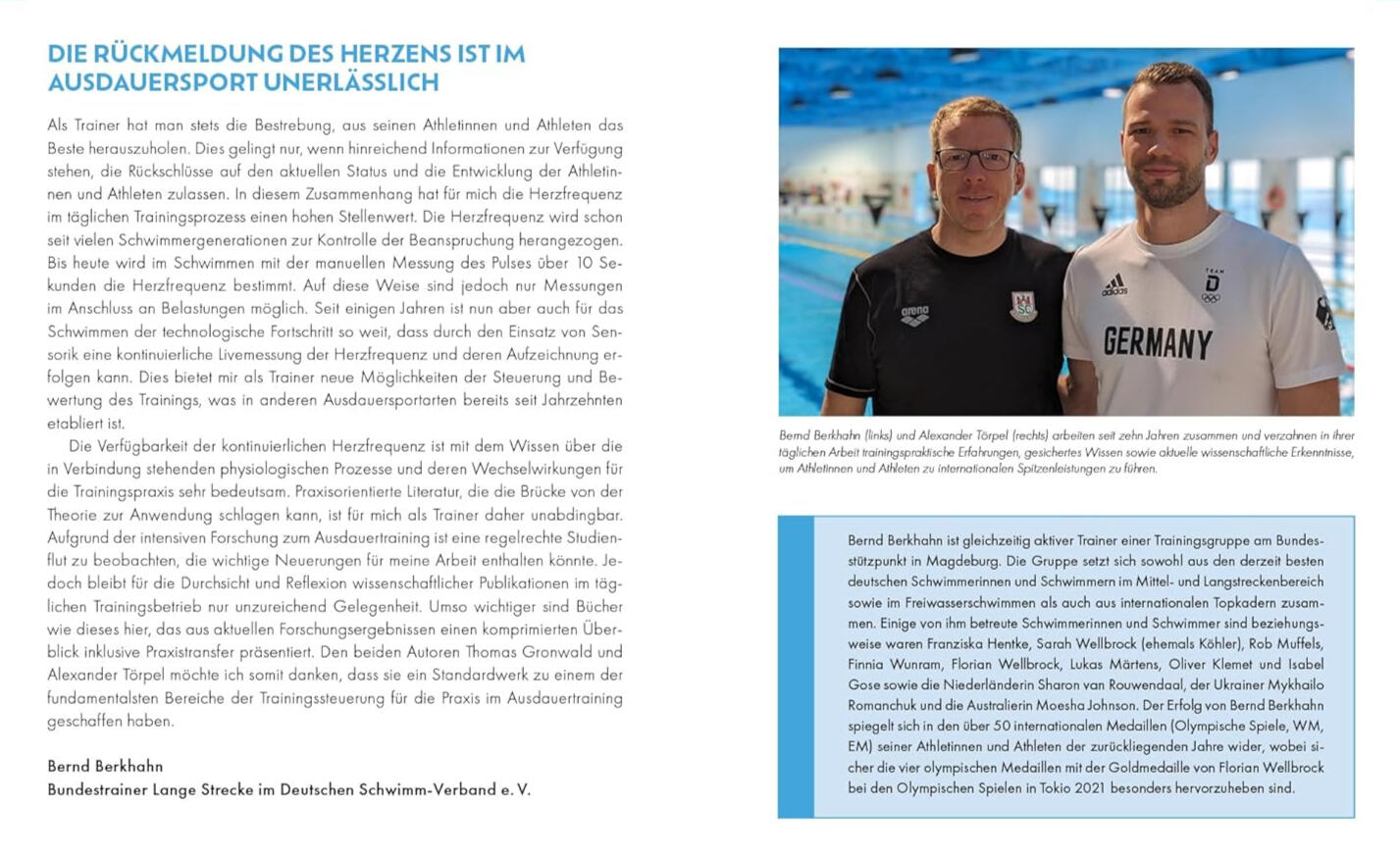
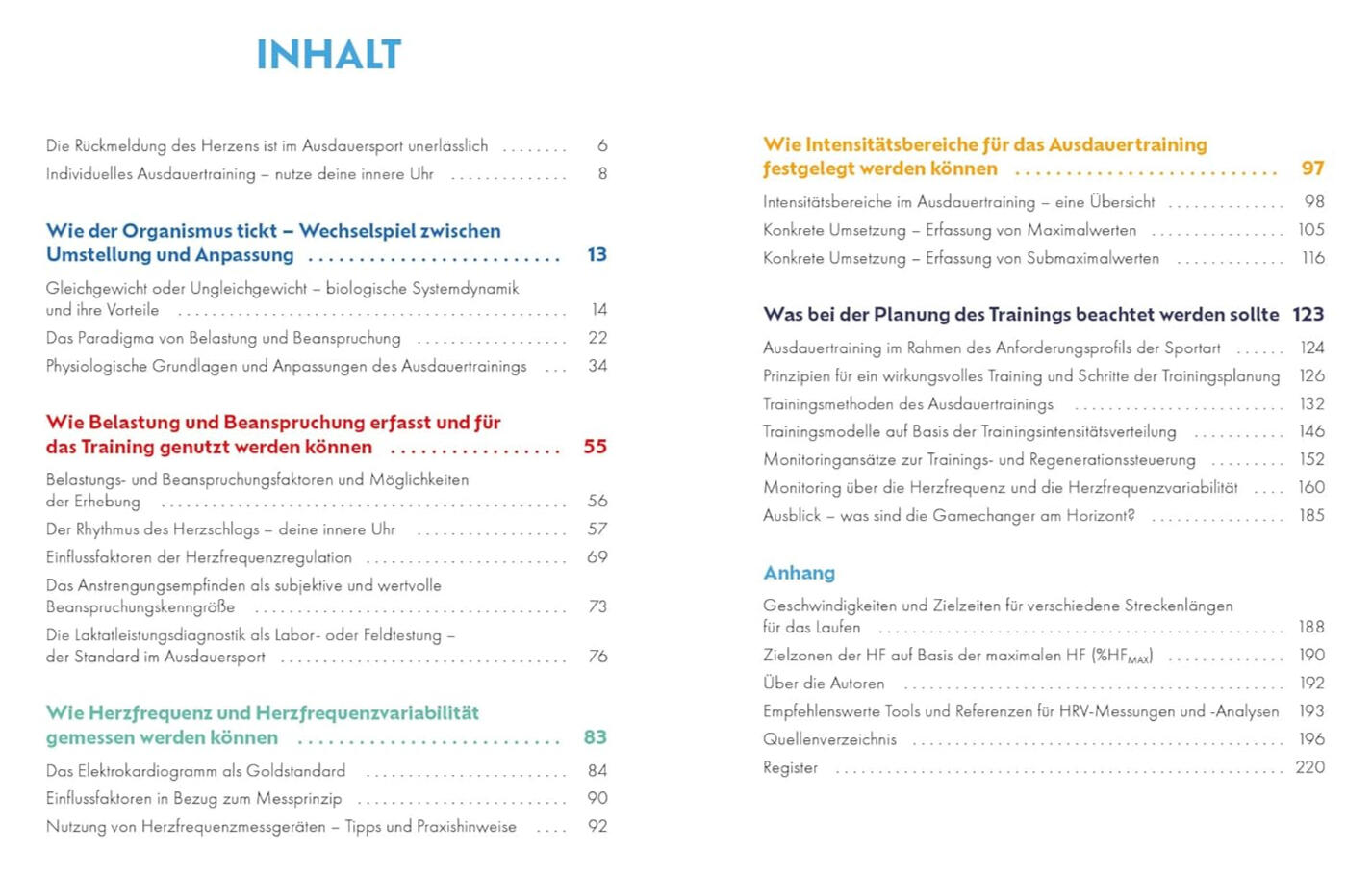
In our new book "Voll im Takt - Ausdauertraining im Rhythmus des Herzschlags: Herzfrequenz messen, Training individualisieren, Bestleistung erzielen" co-authored with Dr. Alexander Törpel we summarized an overview about the background and practical application of heart rate and heart rate variability monitoring for exercise and training prescription with many practical examples and valuable information about wearable technology. The book is written in German language.